Power Architecture
We distinguish between 399 rechargeable units, including modern USB-C options, and 94 traditional AAA battery models for those who prefer swappable power in the field.
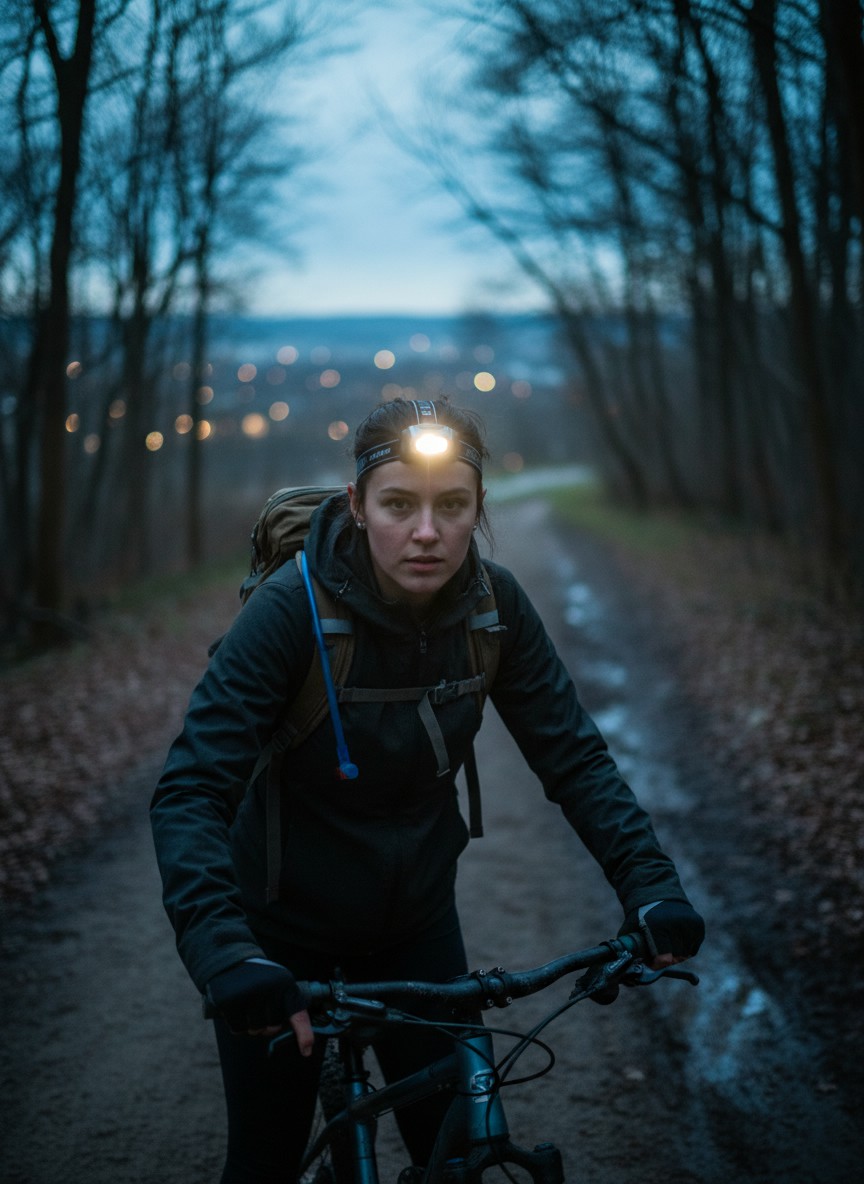
From hard hat mounts to ultra-light running bands, choosing the right headlamp requires balancing weight, brightness, and battery life.
We monitor the Sports & Outdoors lighting market to provide a structured view of available headlamps, filtering through technical specifications to group equipment by real-world utility.
We distinguish between 399 rechargeable units, including modern USB-C options, and 94 traditional AAA battery models for those who prefer swappable power in the field.
Our catalog separates wide beam COB LEDs for peripheral visibility from focused spotlight headlamps designed for long-distance detail work and technical navigation.
We categorize lights by their resilience, from IPX4 water-resistant emergency lights to IPX7 rated waterproof headlamps capable of withstanding submersion.
Each headlamp gets a score from what shoppers actually said and what we know about it.
The public average on the listing is the main input when it exists.
Notes we stored still count a little, even without a public average.
Listings that are often out of stock lose a little, and a brand score is just those listing scores taken together.
Brightness is measured in lumens, ranging from 56 lumen emergency lights to 2000 lumen high-performance units. While higher lumens provide more distance, they often require larger batteries or result in shorter runtimes.
The shift toward rechargeable headlamps has introduced USB-C fast charging to the niche, though many hikers still carry AAA battery headlamps as a reliable backup for extended trips away from the grid.
Wide beam headlamps use COB (Chip on Board) technology to create a flood of light for peripheral awareness, while spotlight headlamps use lenses to throw a concentrated beam hundreds of feet ahead.
Open a set, then two brand pages, and compare the listings
Modern headlamps featuring built-in batteries and convenient USB charging ports
Essential hands-free lighting for setting up camp and nighttime activities
Durable trail lights with long runtimes for backpacking and evening treks
Lightweight and secure-fitting lights designed for night runners and joggers
Extreme performance headlights designed for maximum lumen output and range
Fully sealed housings designed to withstand heavy rain and accidental submersion
Preserve your night vision with dedicated red LED modes for reading and stealth
Red listings from the title and features
Water-resistant lights with specialized modes for night fishing and baiting
Wave-activated controls for hands-free operation without touching buttons
Ultra-light designs that offer maximum comfort during extended wear
Broad illumination designs providing up to 230 degrees of peripheral visibility